
Who Attends
Connecting you with the decision-makers driving the baking industry.
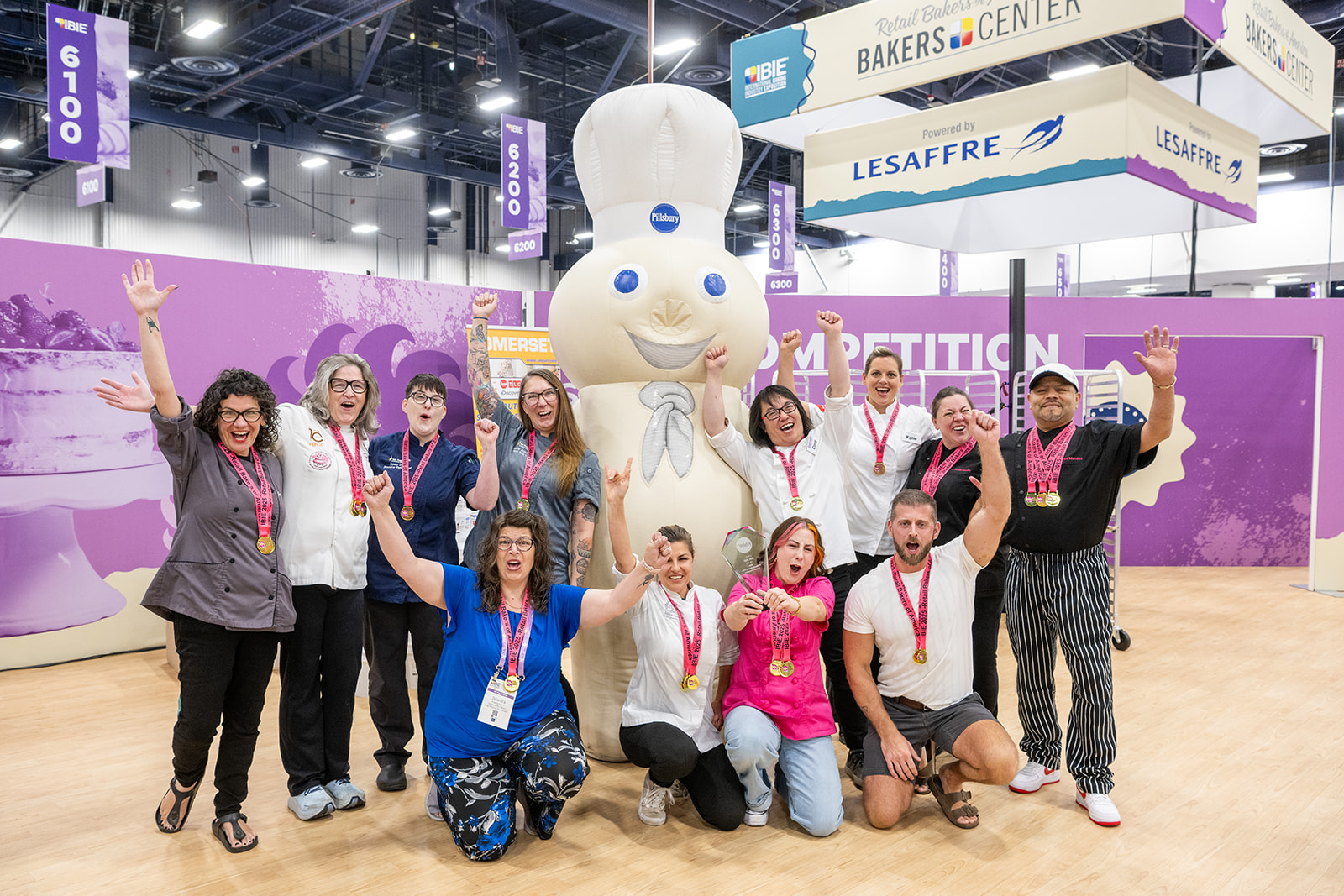

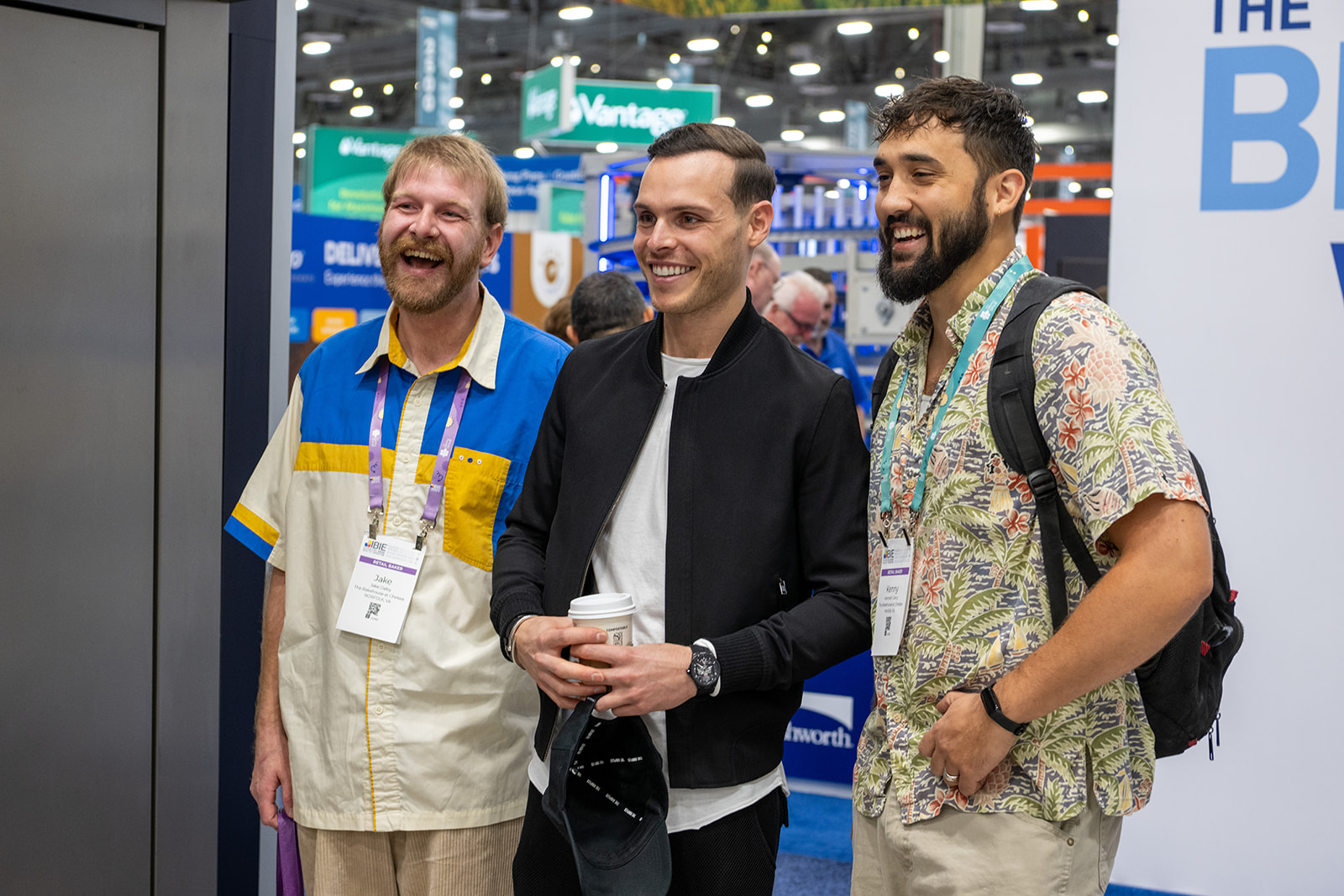
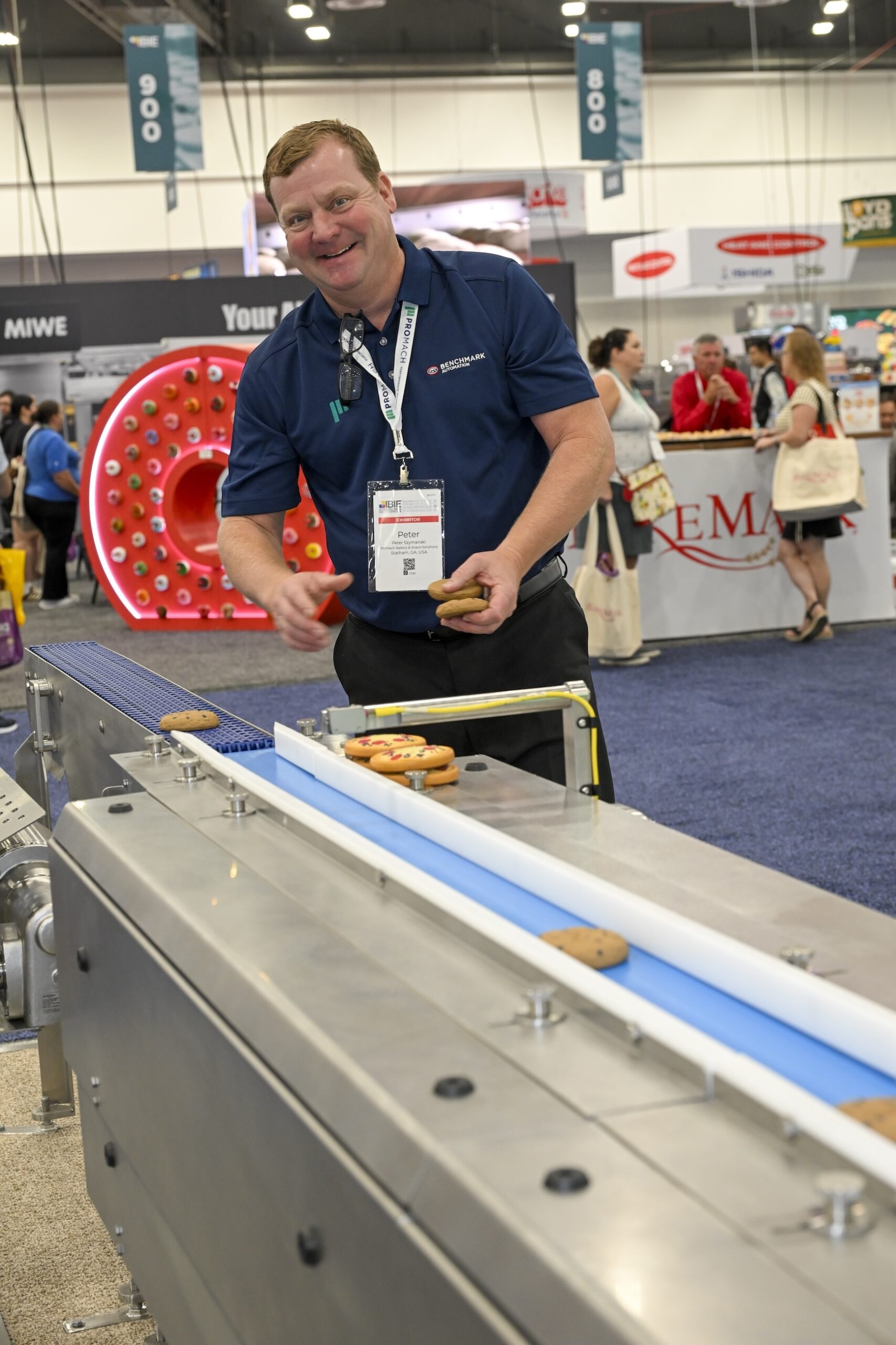
Your Buyers Will Be There. Will You?
Your top prospects come to IBIE — and so do your top competitors. One in two exhibitors say the quality and quantity of leads at IBIE are better than any other trade show they attend. A whopping 98% of 2025 exhibitors noted they’re likely to return in 2028.
Come see why everyone — from the biggest names to hottest startups — loves the Baking Expo™. Make sure your current buyers and potential customers see you on the show floor.
63%
have an annual budget of $100,000 or more for products and services seen at the show. 50% are above $250,000. 30% are above $1 million.
56%
expect to make a major purchase within six months of the show; 74% within two years.
88%
approve, specify or recommend purchases. Published in the 2022 prospectus; 2019-show data.
Attendee Profiles
| Key Attendees | Are They Buyers? | What Are They Looking For? |
|---|---|---|
| Engineering & Automation | 81% approve or recommend purchases | Automation, robotics, production technology |
| Plant Operations Management | 89% approve or recommend purchases | Throughput, efficiency, maintenance, labor |
| R&D/Product Development | 83% work at companies with 100+ employees | Ingredients, formulation, product innovation |
| QA/Food Safety/Regulatory | 79% approve or recommend purchases | Food safety, inspection, traceability |
| Growth & Multi-Location Retail Brands | 88% approve or recommend purchases | Profitability, equipment, expansion |
| Hybrid Retail (supermarket perimeter, commissary, etc.) | 86% approve or recommend purchases | Operational efficiency, menu innovation, scalability |
The Retail Baker Audience
Roles: owner, president or CEO (42%); head baker, pastry chef or decorator (22%); general manager (15%).
Categories: bakery café (27%); independent/artisan (27%); wholesalers (23%); multi-unit/chain (23%).
Purchasing: 69% say they approve; 85% approve or recommend.
Buying pattern: Look early; decide early in the week.
Retail Baker Buying Behavior
Understanding what drives purchasing decisions among retail bakery owners and operators.
- Profitability-Focused: Seek products and equipment that improve margins and reduce operating costs
- Hands-On Buyers: Prefer seeing equipment in action, sampling ingredients and testing products before purchasing
- Trend-Driven: Look for new flavors, ingredients and products that respond to changing consumer preferences
- Labor-Conscious: Prioritize equipment and solutions that simplify production and reduce staffing demands
- Space-Conscious: Favor versatile, compact equipment that maximizes limited bakery space
- Quality-Focused: Value consistency, freshness and product quality to build customer loyalty
- Relationship-Driven: Rely on trusted suppliers, peer recommendations and personalized service
- Convenience-Minded: Seek ready-to-use ingredients, mixes and solutions that save time without sacrificing quality
- Growth-Oriented: Explore new product categories, customization and revenue opportunities
- Value-Conscious: Balance upfront costs with long-term reliability, efficiency and return on investment
The Wholesale Baker Audience
Roles: owner/executive (26%); engineering & automation (14%); plant/operations (12%); R&D/QA (13%); management (12%)
Business mix: wholesale/manufacturing (55%); supermarket, C-store, commissary, foodservice operation (36%); retail bakery (9%)
What they want: 44%, new products and technology; 44%, evaluate or buy new products
Booth traffic: Engineering, 94th percentile); Robotics/AI (85th); Food Safety (65th).
Wholesale Baker Buying Behavior
Understanding what drives purchasing decisions among commercial and wholesale baking professionals.
- ROI-Driven: Prioritize investments that increase production efficiency, reduce costs and improve profitability
- Automation-Focused: Seek technologies that reduce labor dependency and streamline production
- Capacity-Conscious: Invest in equipment that increases throughput and supports higher production volumes
- Data-Driven: Evaluate equipment performance, operating costs, productivity and measurable returns before purchasing
- Quality-Focused: Prioritize product consistency, food safety and compliance with industry standards
- Innovation-Minded: Explore emerging technologies, ingredients and processes that provide a competitive advantage
- Relationship-Driven: Value reliable suppliers, technical expertise and long-term service partnerships
- Sustainability-Conscious: Seek solutions that reduce energy consumption, waste and environmental impact
- Scalability-Focused: Favor flexible equipment and systems that accommodate future growth and changing production needs
- Long-Term Planners: Consider equipment lifespan, integration requirements, maintenance and total cost of ownership
What Wholesale & Retail Bakers Have In Common
Both are decision-makers.
About 85% of retail and 84% of wholesale registrants approve or recommend purchases. In both groups, owners and executives are the largest single role (42% retail, 26% wholesale), and general managers are about 12%–15%.
Both rate the show highly.
87% of retail and 92% of wholesale call IBIE a good-to-excellent investment.
Both come to buy.
34% of retail and 44% of wholesale registrants came specifically to evaluate or buy new products. In both groups the purchase is often equipment.
Both gather at their own home base.
The Retail Bakers Center and the Wholesale Bakers Center both ranked in the Top 20 for booth traffic.
The line between them blurs.
23% of retail registrants run a wholesale arm,
and 9% of wholesale registrants say they run a retail bakery.
Buying Behavior
What influences purchasing decisions among retail and wholesale baking professionals?
- ROI-Driven: Prioritize solutions that reduce costs, improve efficiency and increase profitability
- Hands-On Evaluation: Prefer seeing equipment and products demonstrated before making purchasing decisions
- Relationship-Focused: Value trusted suppliers, industry recommendations and long-term partnerships
- Innovation-Minded: Seek new technologies, ingredients and processes to remain competitive
- Labor-Conscious: Invest in automation and solutions that address staffing challenges
- Quality-Focused: Prioritize consistency, reliability, food safety and product quality
- Research-Oriented: Compare suppliers, specifications, pricing and performance before committing
- Experience-Driven: Value opportunities to sample products, test equipment and engage directly with experts
- Growth-Focused: Explore solutions that expand production capacity, product offerings and market reach
- Long-Term Decision-Makers: Consider equipment lifespan, service support and total cost of ownership
What to Know About Gen Z and Millennial Buyers
As the new wave of leaders and decision-makers takes hold in the baking industry, here are some helpful highlights on the newer generations’ buying patterns:

Digital-first research
Buyers often research independently before engaging with sales.

Value must be clear
They expect a strong, easily understood business case and ROI.

Personalization is expected
Generic outreach is less effective than relevant, tailored communication.

Speed matters
Quick responses and streamlined purchasing processes influence the experience.

Authenticity builds trust
Transparent communication and credible expertise matter more than a hard sell.

Values influence decisions
Sustainability, social responsibility and company practices can factor into vendor selection.

Experiences drive engagement
Hands-on demos, education and opportunities to interact can be more compelling than traditional promotion.
The Baking Industry’s Next Generation of Buyers Is Already Here
By 2030, Gen Z will make up nearly a third of the U.S. workforce, and many will be moving into roles that specify, recommend and approve equipment and ingredient purchases by the time IBIE 2028 opens.
Freeman’s 2025 “Gen Z Report,” a Harris Poll survey of more than 1,800 U.S. professionals, shows that this digitally native generation values in-person events more than you might expect.
They see live events as the best way to build relationships, sharpen their skills and stay current in their industry, and they want their employers to invest in sending them. The findings below point to where IBIE can meet them.
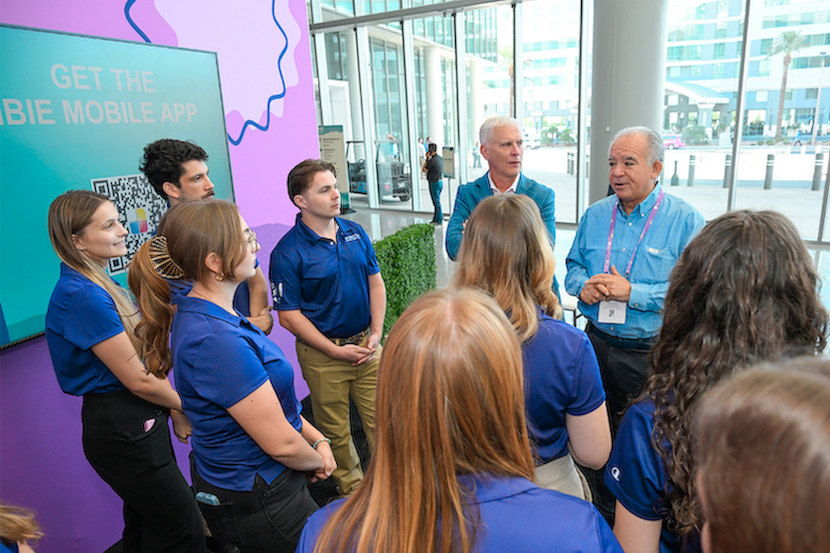
- 95% of Gen Z say personal business connections are important to succeeding at their jobs. This supports networking as a reason to attend, not just a perk.
- On average Gen Z has 16 strong business relationships, compared with 21 for millennials and 40 for Gen X. The report specifically recommends mentorship pairings across generations.
- 91% of Gen Z say in-person events are some of the best ways to build social and interpersonal skills. That’s in line with millennials (93%) and Gen X (96%). In-person value holds across generations, which echoes the similarity between retail and wholesale bakers.
- 88% of Gen Z say in-person events help them stay ahead of what’s happening in their industry. This is the great match for a “see new equipment and technology” pitch.
- Only 39% of Gen Z feel highly confident networking with people in their industry, compared with 47%–48% for older generations. Make them feel welcome!
Unlock Gated Resources
Complete the form below to gain instant access to all gated exhibitor resources, including the Success Guide, Demographics Report, and more.